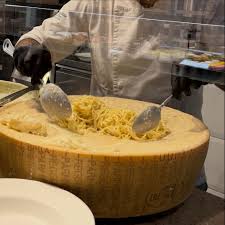
Roman Cuisine: A Foodie's Guide to Pasta, Cacio, and Authentic Trattorias
Rome Didn't Invent Pasta (But It Perfected It)
Rome's food story is not about complexity. It's about simplicity: four ingredients, centuries of tradition, and an obsession with getting it exactly right. Unlike Milan or Bologna with their creamy sauces and regional boundaries, Roman food is working-class food elevated to an art form. It's what construction workers, grandmothers, and street vendors have eaten for 500 years.
And it's absolutely worth your next meal.
The Holy Trinity: Cacio, Guanciale, and Pecorino Romano
If Italian food has a holy trinity, Rome's is cacio (cheese), guanciale (cured pork jowl), and pecorino romano (hard sheep cheese). Forget about cream-based pasta sauce—Roman pasta lives or dies by these three.
Guanciale is the star. It's cured pork jowl (not pancetta, not bacon). When fried, it releases fat that coats pasta with pure umami. A package costs €3-5 at any market. If a restaurant serves you "carbonara" made with bacon or cream, leave. That's not carbonara. That's a lie.
Pecorino Romano is sharper and grainier than Parmesan. It's salty, peppery, and cuts through the richness of pork fat like a knife. Use the pasta water (starchy water) to create a glossy sauce instead of cream. That's Roman food in a sentence: less, but better.
The Four Sacred Pastas of Rome
Cacio e Pepe (Cheese and Pepper)
Four ingredients: tonnarelli (thick pasta), pecorino, black pepper, and pasta water. That's it. No cream, no egg, no butter. A 10-minute masterclass in technique: toast whole peppercorns in a pan, cook pasta, reserve water, toss pasta into the pan with cheese off heat while slowly adding pasta water to create an emulsion.
The result? Creamy, peppery, salty, perfect. A single plate costs €8-10 in a real trattoria, and it's worth every penny. Eat at a place called "Flavio al Velavevodetto" or similar hole-in-the-wall. Avoid chains.
Carbonara (Guanciale, Egg, Cheese, Pepper)
Carbonara is what happens when you have cured pork, egg, and cheese and refuse to use cream. Fry guanciale, toss hot pasta into the pan, turn off heat, add raw egg yolk, toss quickly so the egg cooks via residual heat. Black pepper, pecorino, done.
Italians (especially Romans) debate carbonara endlessly. Whole egg or just yolk? Whole wheat or white pasta? The truth: it doesn't matter as much as using real guanciale and not being afraid of salmonella risk (eat at a trusted place, and raw egg is traditional here).
Cost: €10-12. Skip any "carbonara" outside Rome or any with cream. It's wrong.
Amatriciana (Guanciale, Tomato, Pecorino)
From the hill town of Amatrice (now sadly known for earthquakes, but famous for this pasta). Fry guanciale, add crushed tomatoes (San Marzano, if you can), pepper, pecorino. The result is balanced—rich from pork, bright from tomato, salt and funk from cheese.
Less famous than carbonara, but just as good. Eat it at any neighborhood trattoria. Cost: €9-11.
Gricia (Guanciale, Pecorino, Pepper—The "Whitest" Pasta)
Cacio e Pepe's older cousin (some say carbonara is actually a variation of gricia). Guanciale, pecorino, pasta water, black pepper. No tomato, no egg. Rich, salty, peppery.
Hard to find outside Rome, worth trying once. Cost: €8-10.
Beyond Pasta: Roman Street Food and Appetizers
Carciofi alla Giudia (Jewish-Style Artichokes)
Jewish-Roman cuisine is one of Rome's oldest and best-kept secrets. These artichokes are flattened, fried until crispy (so you can eat the entire thing, leaf and all), and salted. The outer leaves shatter like chips, the heart is tender. Find them at any Roman Jewish restaurant or street vendor near the Ghetto.
Cost: €3-5 for a whole artichoke.
Supplì al Telefono (Fried Rice Ball)
A street snack: fried risotto ball filled with mozzarella (the "telephone" string when you bite into it). Crispy outside, creamy inside, perfect with a cold beer at 4 PM. Found at any alimentari (corner shop) and food stands.
Cost: €2-3.
Maritozzo (Sweet Cream Bun)
A soft brioche bun filled with whipped cream and sometimes chocolate or jam. This is Rome's answer to dessert-for-breakfast. Get it from a pasticceria with an espresso.
Cost: €2-4.
The Trattoria Experience: How to Eat Like a Roman
Skip the Menu
Roman trattorias often don't have printed menus. The waiter (usually a older man who's been there 20 years) will rattle off what they made today. Listen. Order what he recommends. It's fresh, it's in season, and it's been made the same way for decades.
Eat at Lunch
Lunch (1-3 PM) is when Romans actually eat. Dinner (8-10 PM) is slower, more touristy. Lunch set menus (primo + secondo + wine + dessert + coffee) cost €12-15. Dinner is a la carte and costs 2x more.
Wine: Castelli Romani
Rome is surrounded by hills (Castelli Romani) that produce light, crisp white wines. Order a carafe (caraffa) of house white. It's €3-5 per liter and pairs perfectly with every Roman pasta. Don't overthink it.
Finish with Coffee
Espresso, always. Never a latte past 11 AM (that's breakfast). An espresso costs €1-1.50 at the bar, €3-5 if you sit at a table.
Where to Eat: Neighborhoods and Specific Spots
Testaccio
Historically working-class, still Roman. Flavio al Velavevodetto (cacio e pepe obsessives), Checchino dal 1887 (classic). Both €15-25.
Trastevere (But Inland)
Mostly tourist traps on the main piazzas. Walk two blocks inland. You'll find tiny places with plastic chairs and 40-year-old recipes. Try anything that's not on a tourist map. €12-20.
Near Termini
Lots of low-quality tourist joints. Best bet: look for "Cucina Romana" signs or ask your hotel. Real spots exist, you just have to hunt.
Jewish Ghetto
Fascinating history and amazing food. Kosher restaurants, street vendors, centuries-old recipes. Nora (expensive but extraordinary), Sora Margherita (hidden, locals only, cash only, no sign on door).
What to Eat in a Week
- Day 1: Cacio e Pepe at lunch, Carciofi alla Giudia as appetizer
- Day 2: Carbonara at lunch, Supplì from a street vendor for snack
- Day 3: Amatriciana, gelato after
- Day 4: Gricia, try a new neighborhood
- Day 5: Any pasta that looks good + local wine
- Day 6: Oxtail stew (coda alla vaccinara) if you find it—another Roman classic
- Day 7: Repeat your favorite meal
Gelato: The Non-Negotiable Dessert
True gelato is made daily with basic ingredients. If it's neon-colored or has a huge peak, it's fake. Good gelato shops: dark, unassuming, cash-friendly. Try pistachio, stracciatella (chocolate chip), or nocciola (hazelnut).
Cost: €3-5 for two flavors.
Explore Roman Food with TikTours
Food is Rome's story—of working-class ingenuity, centuries of tradition, and the belief that four ingredients done right beats ten done wrong. TikTours has free audio tours created by Romans who eat this food every day. Download the app and explore the neighborhoods where Roman cuisine lives.