Pickpocketing in Rome: How to Avoid Scams & Protect Your Belongings
Why Rome is Not Dangerous, But Pickpockets Are Persistent
First things first: Rome is safe. Violent crime is almost nonexistent. You will not get robbed at gunpoint. You will not encounter street gangs. What you will encounter is organized pickpocketing—small groups of thieves who've perfected their craft over decades.
In 2024, Rome recorded 33,455 reported pickpocketing incidents. That's about 90 per day. The real number is probably twice that, since many tourists never report it. But here's the thing: with one simple habit, you eliminate 95% of the risk.
The Numbers: Who Gets Stolen From?
According to 2024 data, pickpocketing in Rome happens in very specific places:
- Trevi Fountain: 22% of theft reports. Thousands of people packed shoulder-to-shoulder, cameras up, wallets out of pockets. It's a pickpocket's dream.
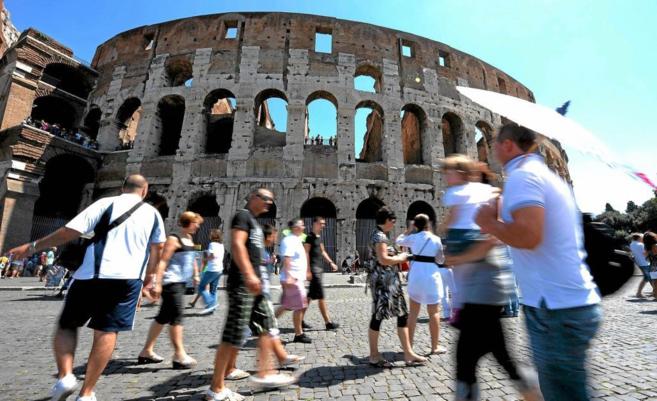
- Colosseum: 18% of reports. Same dynamic—huge crowds, people distracted by history.
- Pantheon: 15% of reports. Another crowded monument.
- Termini Station: 12% of reports. Chaotic, lots of tourists, lots of thieves.
- Public transport (metro & buses): 20% of reports. Crowded trains and buses = easy targets.
Notice the pattern? Pickpocketing is a crime of crowds and distraction. If you're not in a massive crowd and you're not distracted, you're not getting pickpocketed.
How Pickpockets Actually Work (And How to Stop Them)
Pickpockets work in organized teams. Here's the typical setup:
The Scout: Identifies a target (usually someone with an open backpack, a bag slung over one shoulder, or a wallet bulge in their back pocket).
The Distractor: Creates a scene—argues with someone, spills something on you, asks directions, or blocks your path.
The Thief: While you're distracted or pushed, they open your bag or reach into your pocket. They work with surgical speed—you won't feel it. By the time you notice, the money is gone and they've vanished into the crowd.
The Lookout: Watches for police.
This is why it happens so fast. By the time your brain processes that something's wrong, they're already 50 meters away.
The One Habit That Stops Pickpockets: The Front Carry
Wear your bag in front of you. Not at your side. Not on your back. In front.
If you're carrying a crossbody bag, wear it across your chest with the bag on your front side. If you're carrying a backpack, switch to a small day pack and carry it on your front for crowded situations. If you have a daypack with a front pocket, perfect—keep your phone and wallet there.
This single habit makes your bag a bad target. Thieves need quick access. A bag on your front takes 5 seconds to open (if it's even accessible), and by then you'll notice. A bag on your back? Two seconds, unzipped, wallet gone.
I'm not exaggerating: this one change reduces your pickpocket risk by 90%.
Specific Scams to Watch For (And How to Spot Them)
The Friendship Bracelet Scam
A friendly-looking person (often a woman, sometimes a child) approaches you and starts tying a woven bracelet onto your wrist while chatting. "It's a gift!" Once it's tied, they demand €10-20 for it. They work in teams with lookouts nearby.
How to stop it: Politely but firmly say "No" and walk away. Do not take the bracelet. Do not engage. They don't have a legal claim—a gift forced onto you is not a gift. If they get aggressive, keep walking and head toward a busy shop or café.
The Fake Petition
Someone asks you to sign a petition ("for deaf children," "environmental cause," etc.). While you're distracted signing, their accomplice is rifling through your bag or pockets.
How to stop it: Don't sign anything from strangers on the street. It's not a real cause—it's a distraction tactic.
The Spill
Someone "accidentally" spills something on you (ketchup, bird poop, whatever) and immediately offers to help clean it. While they're helping, an accomplice is stealing from you.
How to stop it: Politely say "I've got it" and walk away to clean up. Never let a stranger help you clean. Go into a bathroom or a shop.
The Fake ID Check
Someone in plain clothes asks to see your ID "to check if you're the person the police are looking for" or some nonsense. While examining your ID, they're getting access to your wallet.
How to stop it: Real police will identify themselves clearly and never ask for IDs from random people on the street. Ignore them and walk away. If you're actually stopped by police, ask to see their badge first.
The Dropped Ring
Someone "finds" a gold ring on the ground near you. "Look, it's yours!" If you take it, they demand money for finding it. Or they claim it's real gold and try to sell it to you.
How to stop it: Ignore it and keep walking. It's a planted scam.
Where NOT to Be: Hotspot Map
Absolute pickpocket zones (go during off-hours or skip entirely):
- Trevi Fountain (especially 11 AM - 4 PM)
- Colosseum front entrance (book tickets in advance for skip-the-line)
- Pantheon at midday
- Metro Line A during rush hours (7-9 AM, 5-7 PM)
- Buses 40 and 64 (Vatican buses) — these are notorious
High risk but manageable:
- Termini Station (fine during day, avoid late night)
- Spanish Steps (busy but manageable with front bag)
- Campo de'Fiori market (watch your pockets in crowds)
Safe areas:
- Monti neighborhood
- Testaccio
- Trastevere (after 11 PM it's quiet and safe)
- Most residential neighborhoods
Physical Protection: What Actually Works
The front crossbody bag: Your best friend. Worn across your chest, on your front. Non-negotiable.
Money belt or hidden pouch: If you want extra security, wear under your clothes. Not necessary if you use the front bag, but reassuring.
Split your money: Never carry everything in one place. Keep your main wallet somewhere secure, and carry small cash (€20-30) in an accessible pocket for daily spending. If you lose the small cash, you still have your cards.
Phone in your front pocket, not your hand: Thieves grab phones from people holding them visibly. If you need to use it, keep awareness of surroundings.
Leave your passport at your hotel: Seriously. You only need it for borders or car rentals. A photocopy on your phone is enough for ID within Rome. Your passport is the hardest thing to replace—don't risk it.
What to Do If You Get Pickpocketed
- Stay calm. You're fine. It's money/stuff, not your health.
- Go to a police station and file a report (denuncia). You'll need this for insurance. The police speak English. It's straightforward.
- Call your bank immediately if cards were stolen.
- Don't panic about your passport if it was stolen. Contact your embassy. You can still travel on photocopies while you arrange a replacement.
- Check lost and found (Oggetti Ritrovati) near Termini—sometimes tourists' stuff gets turned in.
The Real Truth About Rome Safety
Rome is one of the safest cities in the world for violent crime. Your risk of being robbed or assaulted is lower than in most US cities. The pickpocketing problem is real, but it's a problem of awareness, not a reflection of Rome being dangerous.
Most tourists who visit Rome—millions per year—leave untouched. The ones who get pickpocketed usually have their phone in their hand, backpack on their back, and wallet in their back pocket. In other words, they're giving thieves an easy target.
With the front-bag habit, you're protecting yourself. With awareness of the common scams, you're avoiding obvious traps. That's 99% of what you need.
Rome is incredible. Don't let pickpocket anxiety ruin it. Just use the front bag and move on.
Explore Rome Confidently with TikTours
Knowing where to go—and where NOT to go—makes Rome safer and better. TikTours has audio guides of Rome created by actual residents who know which neighborhoods are safe, which have the best local food, and which are worth your time. Download before you arrive and navigate like someone who actually lives there.