How to Take Day Trips from Rome by Train: Complete Trenitalia Guide
You Don't Need a Tour Group to Escape Rome
Every travel blog will try to sell you a €150 day trip to Pompeii or the Amalfi Coast with 40 strangers on a bus. Here's the secret: you can do it yourself for €30, on your own schedule, with zero coordination. All you need is a train ticket and 15 minutes of planning.
This guide covers everything you need to know about taking day trips from Rome by train—from buying your ticket to knowing which train to catch to validating your ticket before boarding. It's simpler than you think.
Understanding Italian Trains: The Three Tiers
Not all trains are created equal. Italy has three main types, each with different speeds, prices, and booking rules.
Frecciarossa (The Fast One)
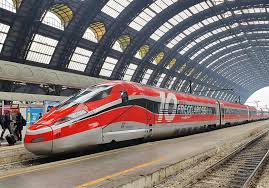
These are the sleek, red high-speed trains. They zoom at 300 km/h (186 mph) and connect major cities: Rome-Florence in 90 minutes, Rome-Naples in 65 minutes. They're expensive but blisteringly fast.
Rome to Florence: €55 on the day of travel. Book a month ahead? €15-25. Rome to Naples: €50 on the day. Advance booking: €18-30.
All seats are reserved. You select your seat when you buy the ticket. Bring your passport number when booking (Trenitalia asks for it online). The trains have bathrooms, free WiFi (sometimes), and a cafe-bar if you book premium.
Frecciargento & Frecciabianca (The Middle Ground)
Slightly slower than Frecciarossa (150-200 km/h), but cheaper and serve more stops. Think "express, not high-speed." Rome to Venice takes 4.5 hours on these instead of 3 on Frecciarossa.
Seats are reserved. Prices are similar to Frecciarossa but often a bit cheaper, especially if you book ahead.
Regional & InterCity Trains (The Budget Option)
These stop everywhere and move slowly. Rome to Naples takes 2.5 hours on a regional train vs. 65 minutes on Frecciarossa. But the ticket? €15-20, period. No advance booking required.
Seats are not reserved (except on some InterCity trains). You just hop on and sit down. BUT—this is critical—you must validate your ticket at the yellow/green boxes on the platform before boarding. Don't validate, and you'll be fined €50 by the conductor. No "I didn't know" excuse exists.
Step-by-Step: How to Buy a Train Ticket Online
1. Go to Trenitalia.com or Use Omio/Trainline
Trenitalia's official website is direct but occasionally glitchy. Omio and Trainline are third-party aggregators with cleaner interfaces and accept foreign credit cards without hassle. Both charge a small booking fee (€2-3), but it's worth the peace of mind.
2. Enter Your Stations & Date
Italian names:
- Rome = Roma (Roma Termini is the main station)
- Florence = Firenze
- Venice = Venezia
- Naples = Napoli
- Milan = Milano
The system will autocomplete. Double-check you've selected the right station—Rome has multiple stations, but Termini is where you want to be.
3. Choose Your Fare Type
Trenitalia uses dynamic pricing (like airlines). Here's what you'll see:
Super Economy — Cheapest. No refunds, no changes allowed. Book 4+ months ahead for Rome-Florence at €15-20. This is the steal if you know your dates.
Economy — Slightly more expensive. Limited changes allowed (usually with a fee). Still non-refundable.
Base Fare — Full flexible. 100% refundable, 100% changeable. Expensive (€50-80 for Rome-Florence) but zero risk.
Pro Tip: Always book Super Economy if you're flexible on dates. If you're not sure, go Base Fare and don't stress about missing your train.
4. Select Your Seat (High-Speed Only)
Frecciarossa, Frecciargento, and Frecciabianca let you pick your seat on the website. Choose a window seat if you want a view (especially Rome-Florence—spectacular). Aisle seats if you need to get up frequently.
5. Check Your Email for Your E-Ticket
No printing needed. Your phone is enough. The conductor will scan your phone. The e-ticket has your reservation code, car number, and seat number.
How to Board Your Train (The Validation Step Most People Miss)
For High-Speed Trains (Frecciarossa, etc.):
Your e-ticket is already registered. Walk directly to your platform, find your car number (listed on the platform sign), and board. No validation box needed.
For Regional & InterCity Trains:
This is where people mess up. Find the yellow or green box marked "Convalida il tuo biglietto" (validate your ticket) on the platform before you board. Insert your paper ticket (if you have a physical copy), and it stamps the date/time. If you bought your ticket on the app, digital validation happens automatically when the train departs.
Do not skip this step. A conductor will board and check tickets. If yours isn't validated, you're paying a €50 fine on the spot, and no excuse works. "I didn't know" is heard 100 times a day and dismissed every time.
Specific Day Trips: What to Actually Do
Tivoli (Villa d'Este & Hadrian's Villa)
Distance: 30 km northeast of Rome Train time: 30 minutes Cost: €3-5 one way Best for: Renaissance fountains, ancient Roman ruins
Take a regional train from Roma Termini to Tivoli. Trains run every 30 minutes. The ticket is €3.50, and you don't need to book ahead—just buy at the station.
When you arrive, you'll have two options:
- Villa d'Este — A UNESCO site famous for 500+ fountains and Renaissance gardens. Entrance: €10. Takes 2 hours.
- Hadrian's Villa (Villa Adriana) — Emperor Hadrian's ancient summer retreat. Bigger, more ruins, fewer fountains. Entrance: €10. Takes 2.5-3 hours.
Do both in one day if you start early. The town of Tivoli is charming for lunch, too. Bring comfortable shoes—lots of walking and hills.
Pompeii & Naples
Distance: 240 km south Train time: 2.5 hours (regional) to 65 minutes (Frecciarossa) Cost: €15-30 regional, €30-60 Frecciarossa Best for: Buried Roman city, history buffs
Frecciarossa is worth it for this one. You'll spend 2+ hours at Pompeii, and the time saved getting there means more time exploring. Book ahead (€25-35).
Train arrives in Naples (Napoli Centrale). From there, a commuter train (Circumvesuviana) runs to Pompeii every 20 minutes (€3, 30 min). The Circumvesuviana is chaotic and often late, but it's the only way to Pompeii.
Give yourself 8-9 hours total: 1.5 hours travel there, 2.5 hours at Pompeii, 1.5 hours travel back, plus lunch.
Florence (Art, Renaissance, Amazing City)
Distance: 280 km north Train time: 90 minutes (Frecciarossa) to 3 hours (regional) Cost: €15-25 advance, €50+ day-of Best for: Uffizi Gallery, Duomo, walking around Piazza della Signoria
Florence is doable as a day trip but tight. You'll spend 30 minutes on the train each way and 7 hours in the city. Enough to see major sights but rushed.
Pro tip: Book a skip-the-line ticket for the Uffizi or Duomo in advance. Lines can eat up 1-2 hours of your day trip.
Naples (Pizza, Street Life, Real Italy)
Distance: 240 km south Train time: 65 minutes (Frecciarossa) to 2.5 hours (regional) Cost: €15-30 Best for: Authentic food, street markets, graffiti art, zero tourists
Naples is underrated. It's chaotic, gritty, and real—unlike Rome or Florence. Go for the pizza (try Sorbillo or Pizzeria 3.0 Ciro Cascella), wander the Spanish Quarter (Quartieri Spagnoli), hit the National Museum if you like archaeology.
Start early, take Frecciarossa if the price is reasonable (€20-25), and be back by 8 PM.
Money-Saving Hacks
Booking windows matter. Trenitalia releases cheap fares 90-120 days in advance. Super Economy fares from Rome-Florence open up at €19.90. They're gone within days. If you're planning a trip, lock in train dates early.
Off-peak days are cheaper. Tuesday-Thursday are cheaper than Friday-Sunday. Traveling early morning (first train of the day) is cheaper than afternoon.
Use passes strategically. A Trenitalia Pass (3 days for €35, 5 days for €59) saves money if you're doing multiple day trips, but only if you book flexible Base fares on both the pass and regular tickets. Do the math first.
Buy regional tickets at the station. Regional train prices don't change, so no point booking online. Buy the morning of at an automated kiosk.
What to Know About Strikes (Scioperi)
Italian rail strikes happen roughly once a month. They're announced in advance, and they're legal, limited events. Most last 4-8 hours, not 24 hours, and regional trains are less affected than high-speed trains.
Check the MIT scioperi page or Trenitalia's website before you book a long-distance train. But don't panic—alternative buses run, and you're rarely stranded.
What to Pack for Your Day Trip
- Comfortable walking shoes — You'll walk 3-5 miles on day trips. No exceptions.
- Sunscreen & hat — Especially for Pompeii or Ostia Antica, where there's no shade.
- Small backpack — The train is picturesque; you'll want your hands free.
- Reusable water bottle — Refill at public fountains (safe, free). Don't buy bottled water.
- Phone with offline maps — Google Maps works offline if you download areas in advance.
- Snacks — Bring a panini or pastry from a Roman alimentari. Train cafe prices are tourist-y.
Explore Beyond Rome with TikTours
Day trips are incredible, but so is exploring Rome itself from the inside—with local audio guides that explain the neighborhoods, history, and food. TikTours has free audio tours of Rome created by people who live there. Download the app before your trip and explore like an insider.