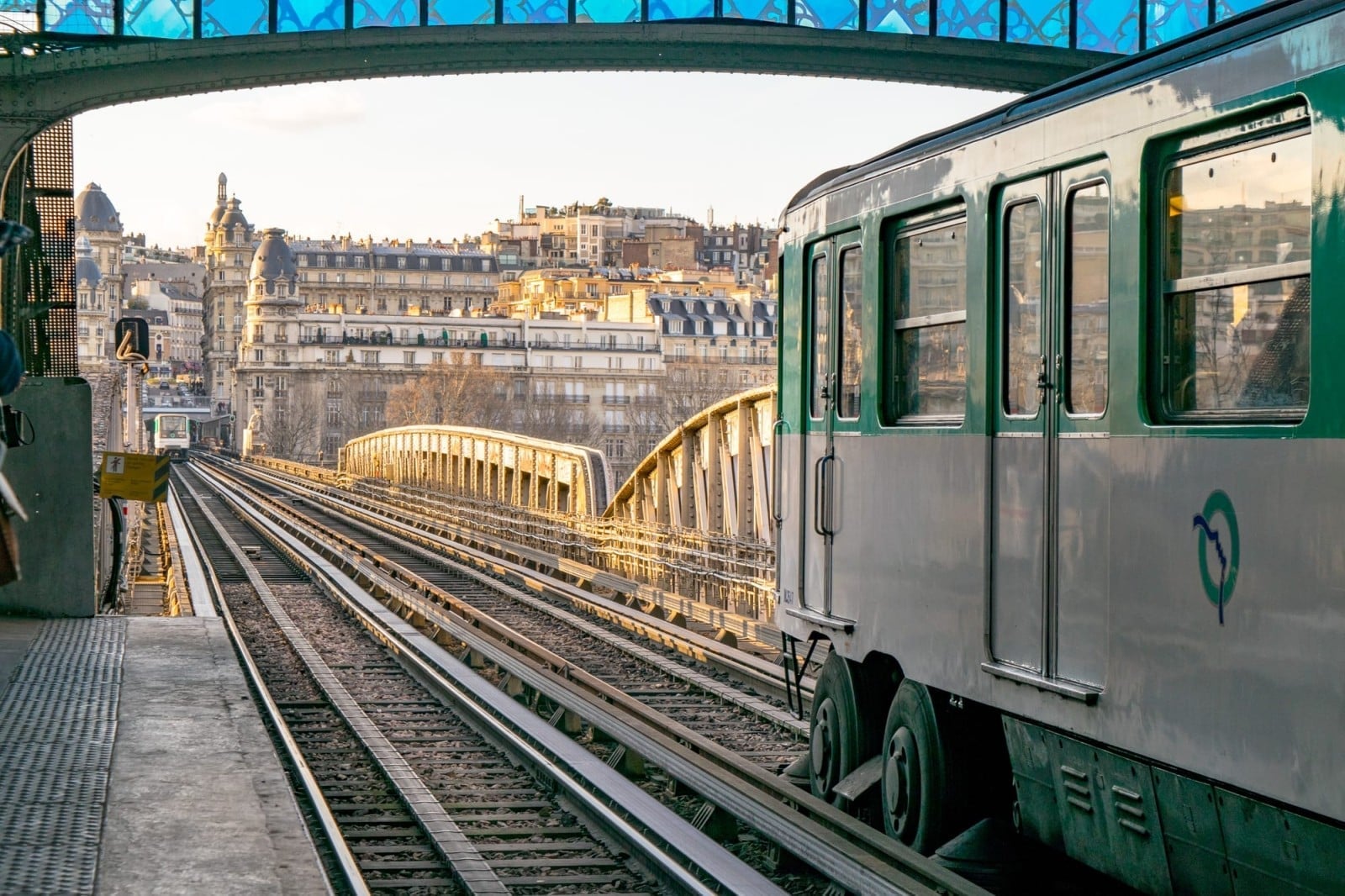
Complete Paris Metro & Transport Guide: Navigate Like a Parisian—No Confusion
The Paris Metro Is Easier Than You Think (Once You Understand It)
Tourists fear the Paris Metro. They imagine getting lost, missing stops, ending up in the wrong arrondissement. The reality: the Paris Metro is one of the world's most logical and efficient systems. Once you understand the basics, you'll move around Paris faster than walking.
This guide covers everything you need to navigate like a Parisian: how the system works, buying tickets, avoiding mistakes, and insider tricks.
The Metro System: The Big Picture
Paris Metro has 16 lines. Each line is numbered 1-14, plus two RER lines (A and B) that serve as express routes.
Key concept: Pick your destination station. Find which line goes there. Get on. Get off when you hear your stop. That's it.
No complicated transfers. No confusion. The system is designed for clarity.
How to Buy a Ticket
Option 1: Carnet (10 Tickets)
Best for: Staying 3-5 days Cost: €16.90 for 10 tickets Where: Metro ticket machine or booth How it works: Each ticket = 1 journey, regardless of distance or line changes
Option 2: Navigo Découverte (1-Week Pass)
Best for: Staying 7+ days Cost: €34.15 per week Where: Metro station (need a photo) How it works: Unlimited rides for 7 days (Monday-Sunday)
Option 3: Single Ticket
Cost: €2.25 per ride Avoid unless: You're taking 7 or fewer rides total
Option 4: Mobile App (RATP Official)
Buy tickets on your phone, scan at the turnstile. Convenient if you have a French SIM or good roaming.
Using a Ticket
- Validate your ticket at the turnstile (insert it horizontally)
- The turnstile opens
- Enter the metro
- Your ticket pops out—take it (you might need it to exit)
- Find the correct platform
- Get on the train
- Exit at your stop
Understanding Line Names (The Easy Way)
Each line is named after its end stations. For example:
Line 1 (Red): La Défense ↔ Château de Vincennes Line 6 (Green): Étoile ↔ Nation Line 9 (Yellow): Pont de Sèvres ↔ Montsouris - Alésia
How to use this: Look at your destination. Find which line goes through it. Remember the line end station in the direction you're going. Follow signs for that end station.
Example: You're at Saint-Germain-des-Prés and want to go to Odéon. Check the map. Line 4 goes there, heading toward Porte d'Orléans. Follow signs for "Line 4 - Porte d'Orléans." Get on. Get off at Odéon.
Reading the Metro Map (It's Easier Than You Think)
The Paris Metro map looks chaotic but it's genius. Here's how to read it:
- Find your current station
- Find your destination station
- Trace the line connecting them
- If they're on the same line: Get on, get off. Done.
- If they're on different lines: Note the transfer station (where lines intersect). Get off the first line there, follow transfer signs, get on the second line.
Pro tip: Most stations have English-language maps. Google Maps also works perfectly for Paris Metro navigation.
Avoiding Tourist Mistakes
Mistake 1: Buying Too Many Single Tickets
If you're taking 8+ rides, you've already spent more than a carnet. Buy 10 tickets for less.
Mistake 2: Not Validating Your Ticket
If a ticket inspector checks (they do randomly) and your ticket isn't validated, you'll be fined €50. Always validate.
Mistake 3: Missing Your Stop Because You Weren't Paying Attention
Each station announcement is in French then English. Listen for your stop. Or: check the electronic display above the door (it shows the next station). Get ready one stop before.
Mistake 4: Being on the Wrong Line
Before boarding, double-check you're on the correct line heading the correct direction.
Mistake 5: Boarding During Rush Hours (7-9 AM, 5-7 PM)
If you can, avoid these times. The metro is packed. You'll be squeezed. If you must ride during rush hour, expect discomfort.
Insider Secrets
Secret 1: Smaller Stations = Shorter Queues
Saint-Michel is always packed. But Cluny-La Sorbonne (one stop away) is quiet. Adjacent stations often have less traffic.
Secret 2: Middle Cars Are Less Crowded
Tourists board at the front and back. The middle cars are emptier.
Secret 3: Some Lines Are Faster Than Others
Line 14 is new and fast. Lines 4 and 8 are slow but go everywhere. Plan accordingly.
Secret 4: Station Transfers Take Time
Transfers between stations (like Châtelet) involve walking 10+ minutes underground. Budget extra time or take a different route.
Bus System (Alternative to Metro)
When to use: Short distances, scenic routes, when you want to see above ground Cost: €2.25 per ride (same as metro—use metro tickets) How it works: Get on, validate ticket, get off at your stop
Bus line 69: Popular tourist route (Eiffel Tower area). Avoids it if you want authentic experience. Bus 72: Scenic, crosses the Seine multiple times, lovely route
RER: Express Trains (For Getting to Airports & Outside Paris)
What: Trains that go outside Paris to suburbs (Versailles, La Défense, airports) Cost: €2.25 within Paris, more to go outside When to use: Getting to Charles de Gaulle or Orly airport, Versailles, or other nearby cities
Lines:
- RER A: Goes to Versailles, La Défense
- RER B: Goes to Charles de Gaulle airport
Use the same validation system as the metro.
Taxis & Uber Alternative
Official Taxis:
- €3.50 base fare
- €1.50 per km
- Tips not expected but appreciated (€0.50-1)
- Call: +33 1 45 85 85 85
G7 App: Like Uber for official taxis, French company
Vélib' Bike Share:
- €5 per 30 minutes or €80 for unlimited week
- Bikes all over Paris
- Good for 1-3 km distances
Complete Navigation Itinerary
First day in Paris:
- Buy a carnet (€16.90) at airport or hotel
- Practice one journey on metro (easy station to easy station)
- Celebrate—you've done it
- Next days: use metro confidently
Pro move: Download Google Maps and use it for turn-by-turn metro navigation. It works perfectly in Paris.
The Mindset Shift
Paris Metro feels intimidating until you realize: millions of Parisians use it daily. It's designed for regular people, not just tourists. Once you validate a ticket and get on, you're already winning.
Don't overthink it. Locals aren't confused. You won't be either.
Explore Every Neighborhood with TikTours
Once you've mastered the metro, use it to visit neighborhoods TikTours guides cover. Download audio guides and take metro to different areas, exploring while listening to local stories. The metro becomes your access pass to the whole city.